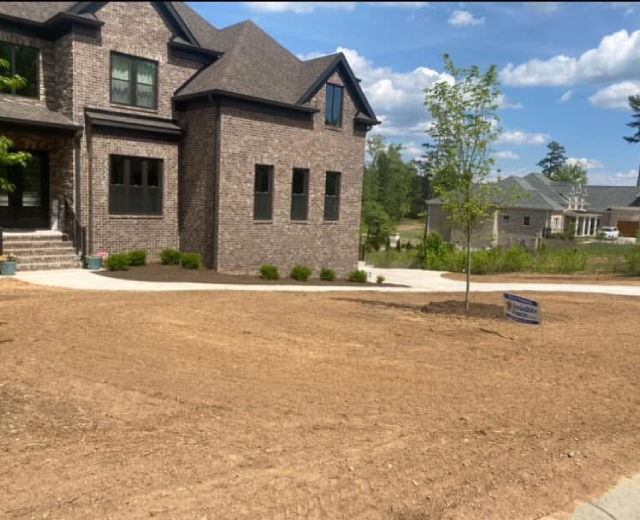
Aeration & Overseeding

Why Aeration & Overseeding Matter

Compacted soil chokes root systems, and thin turf invites weeds. Core aeration relieves compaction, while overseeding fills bare spots with vigorous new grass. Together, these services breathe new life into tired lawns—producing a denser, healthier lawn that stands up to traffic and drought.

Our Aeration & Overseeding Advantage

Core Aeration

We remove thousands of soil cores to improve air, water, and nutrient penetration—strengthening roots for long-term resilience.

Premium Seed Blends

We use region-tested, high-performance grass varieties matched to your site conditions for optimal germination and durability.

Soil Amendment

Optional top-dressing with compost or sand improves soil structure and seed-to-soil contact for faster establishment.

Seasonal Timing

Services scheduled at the ideal window—fall for cool-season lawns, spring for warm-season turf—to maximize success.

Our Proven Process

image

Soil & Turf Evaluation

We assess compaction levels, existing turf density, and soil pH to create a customized plan.

image

Core Aeration

Professional-grade equipment extracts plugs, reducing compaction and creating seed furrows.

image

Overseeding Application

Premium seed is broadcast evenly, focusing on thinning and bare areas.

image

Top-Dressing & Raking

If chosen, a thin layer of compost or sand is applied and lightly worked in to protect seeds.

image

Post-Service Care Plan

You receive detailed watering and mowing guidelines to ensure rapid germination and establishment.

Client Success Snapshot

After their fall aeration and overseeding, my yard came back thicker than ever—I barely recognize the bare spots from last year.
Kevin L.
Cary
See the Transformations

What Homeowners Are Saying

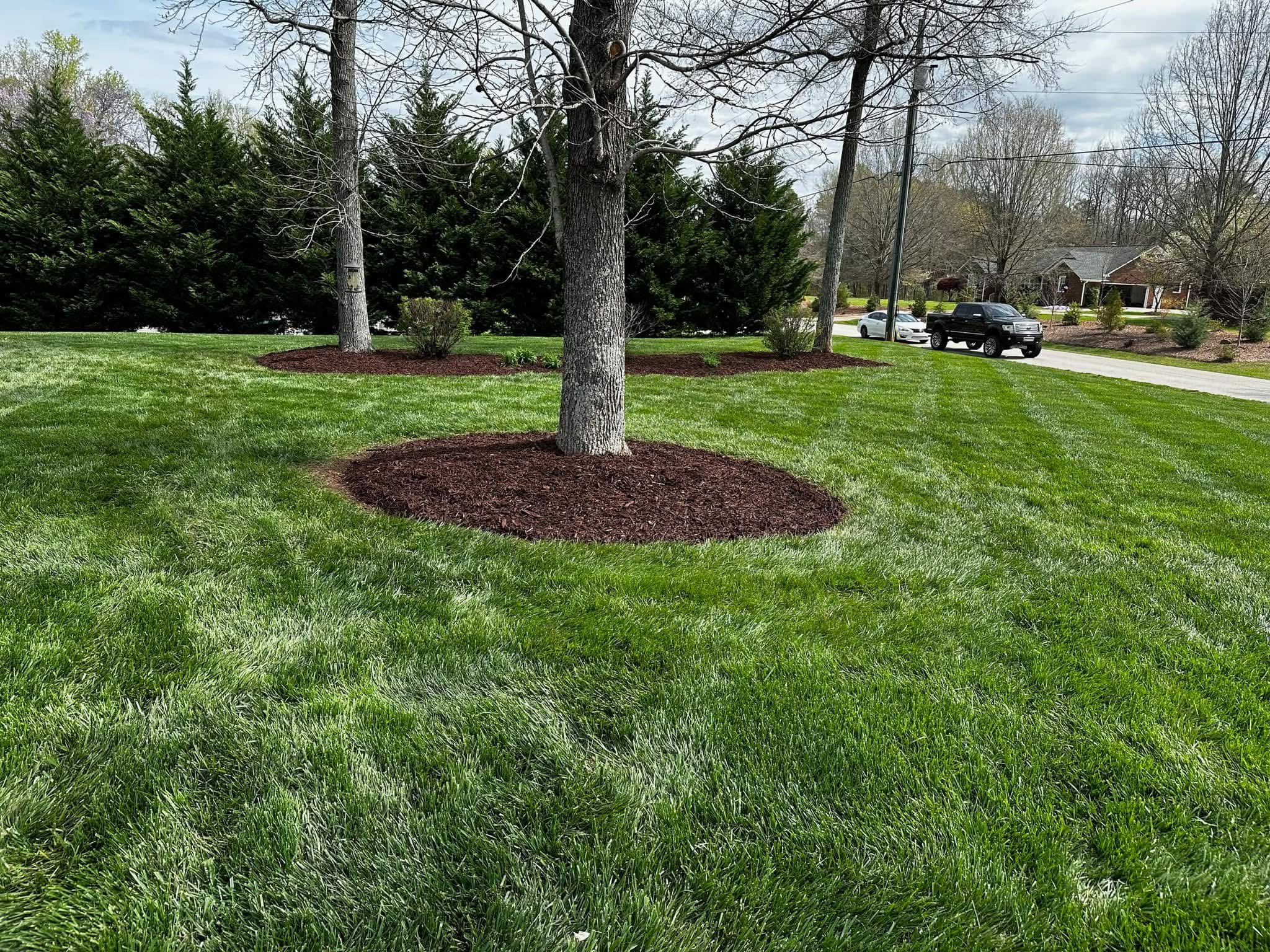
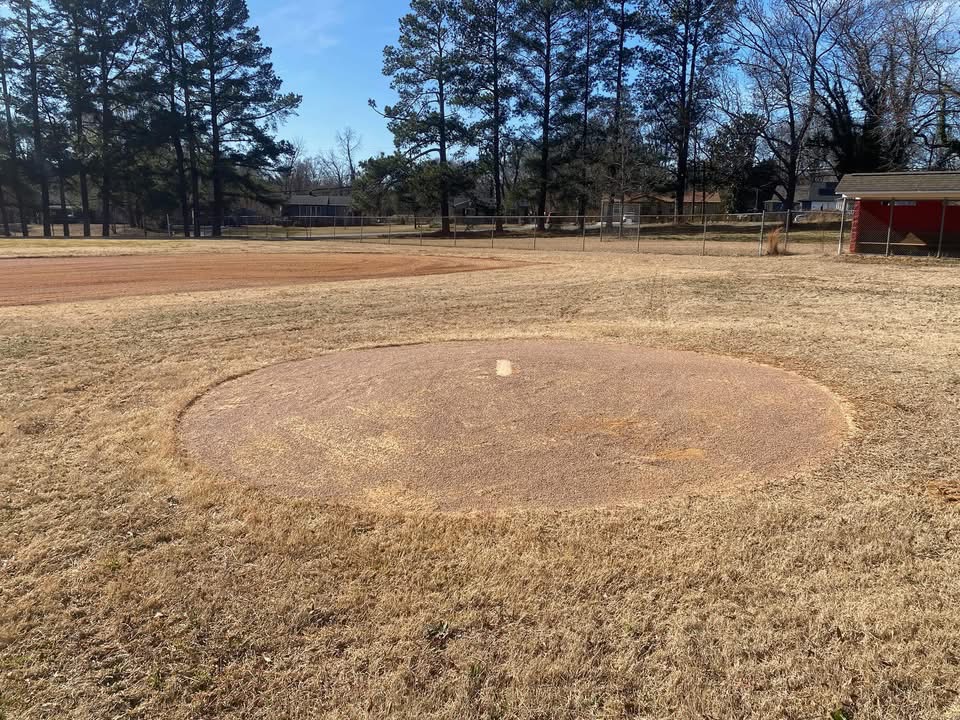
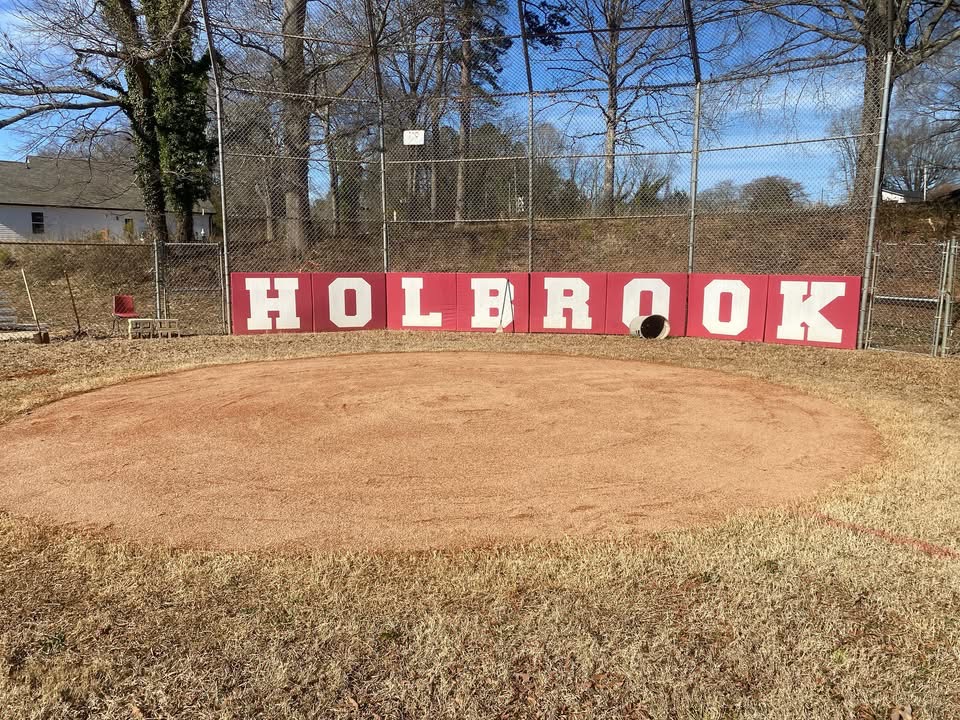
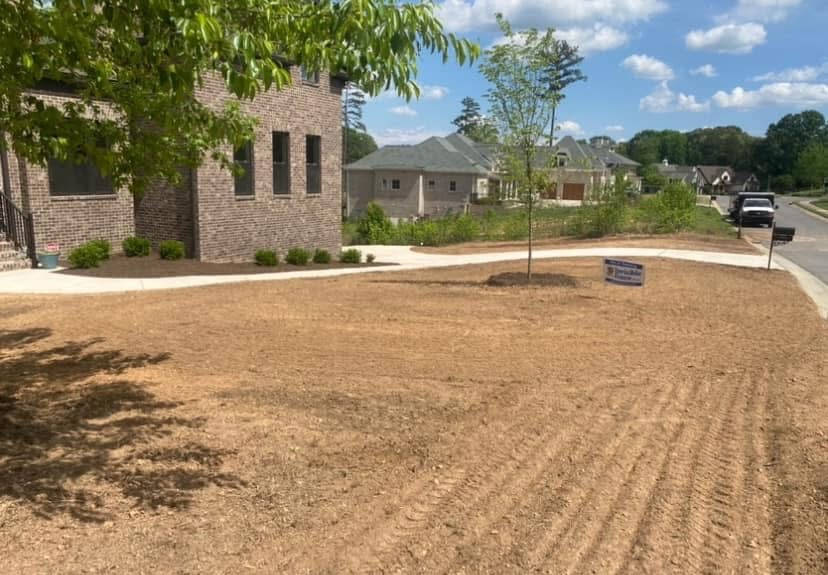
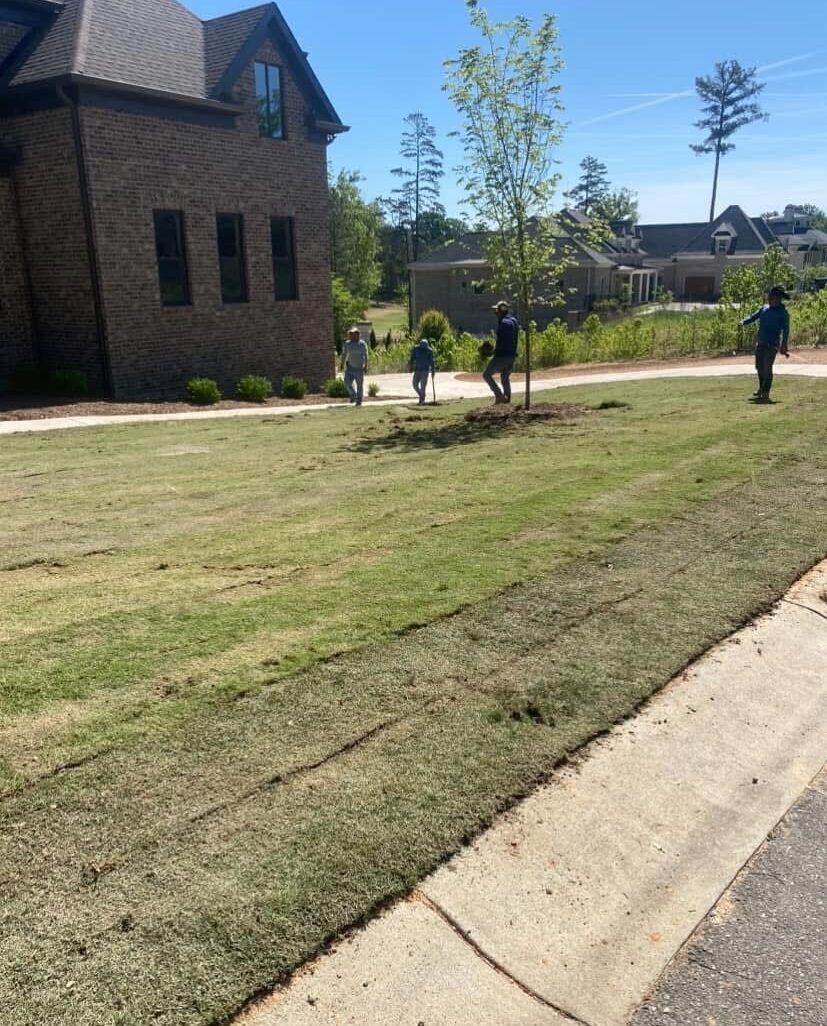
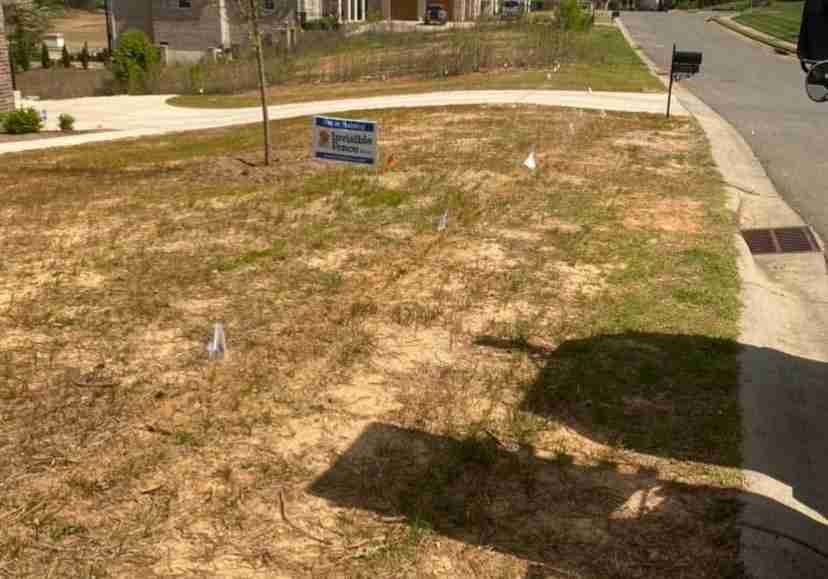
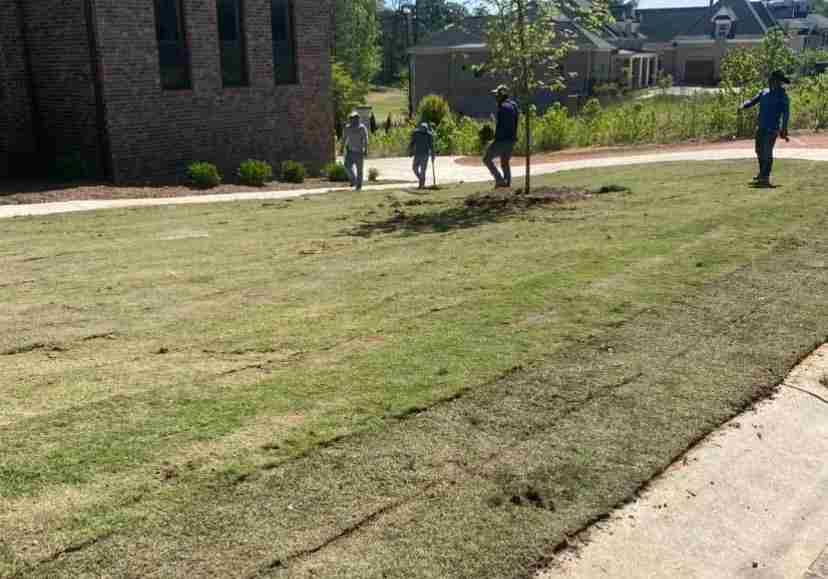
Before & After Photo Gallery
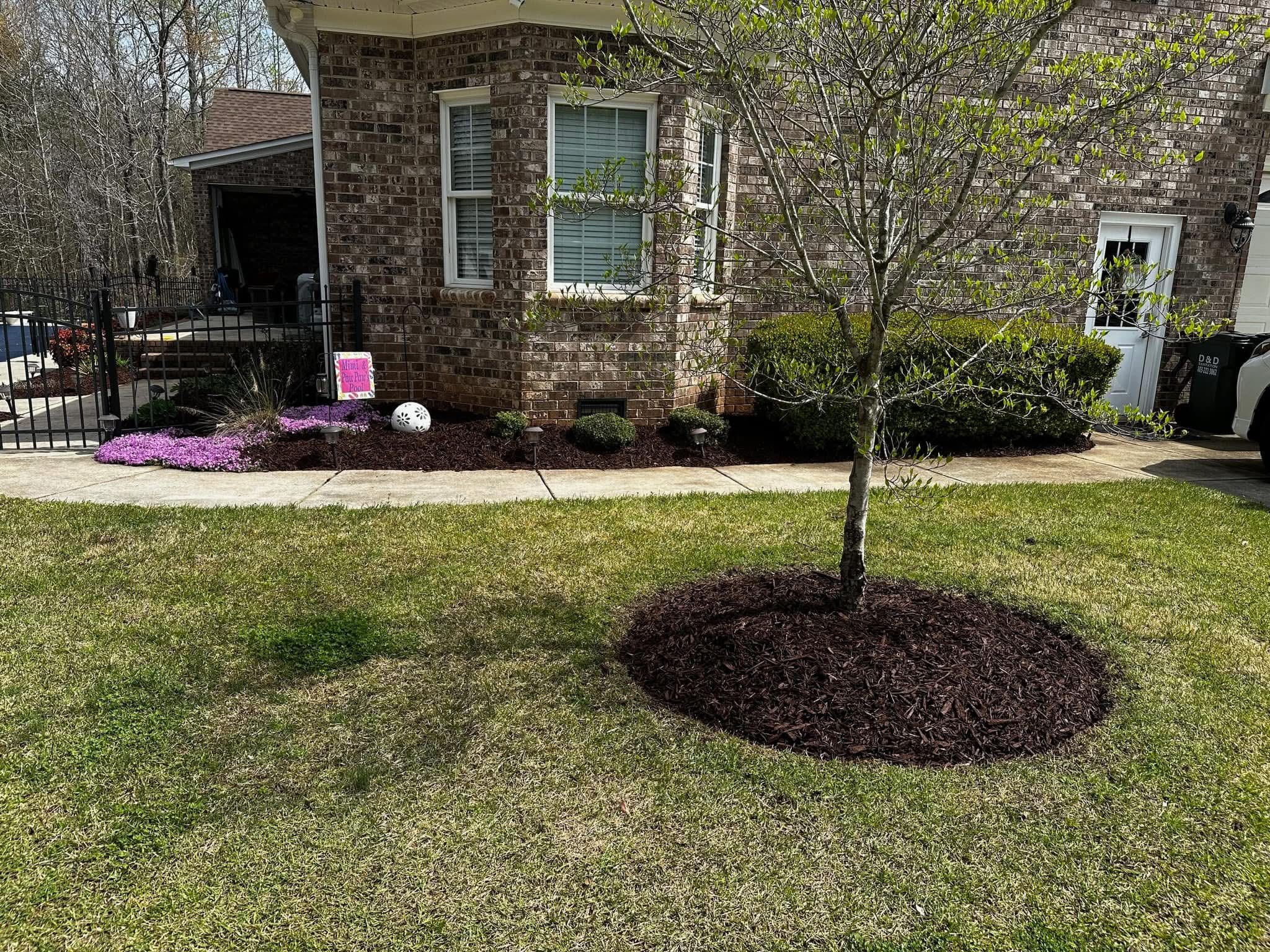
After
Before
After
Before
After
Before
After
Before
Frequently Asked Questions

How soon will I see results?

New seedlings typically emerge in 7–14 days, with full density visible within 4–6 weeks.
Wait until new grass reaches 3”—then mow at a higher setting and gradually reduce height.
One proper aeration/overseeding treatment per year is ideal; problem areas may benefit from a second application in spring.
Yes—our follow-up includes a starter fertilizer to support young roots and promote rapid growth.
In extreme cases, we may recommend spot-sodding or a full sod installation for best results.